Adopting a Senior Pet From a Shelter in 2026
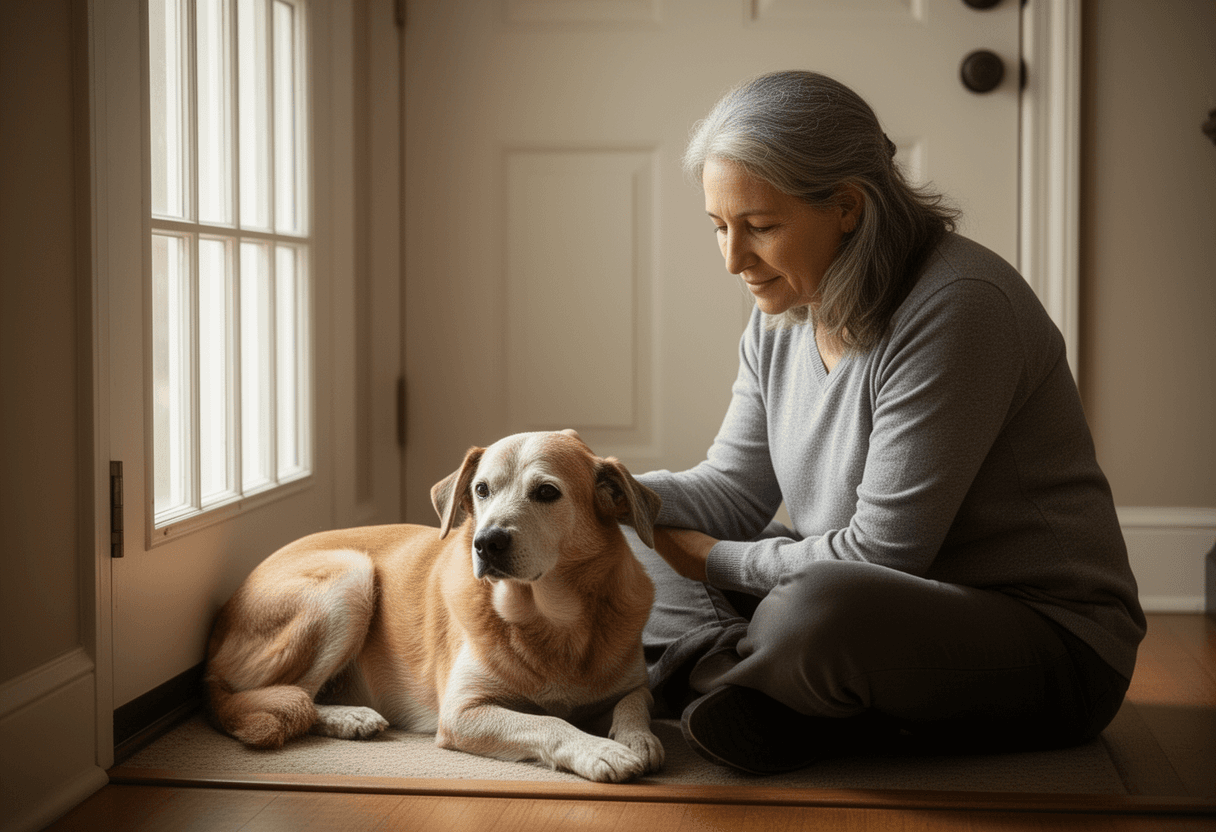
You open the shelter door, and he does not throw himself against the bars. He stays seated, with a calm look, sometimes a little tired, as if he has already understood that big displays are no longer necessary. A dog with a white muzzle, a cat who sleeps a lot, an elderly rabbit who accepts a stroke cautiously: these senior animals are not trying to impress anyone. More than anything, they are waiting for a safe place.
Adopting a senior pet from a shelter in 2026 is not only about offering a softer bed. It means accepting a story that has already begun, with habits, sometimes pain, and a bond that can become very strong in a short time. Many people hesitate because they fear illness, veterinary costs, or death coming too soon. These fears are legitimate. They should not be dismissed, but prepared for.
The arrival of an older animal asks for less excitement and more presence. He does not need everything to be perfect on the first day. He needs a home he can understand, gentle gestures, care planned in advance, and someone able to love him without asking him to become young again.
Choose with clarity, not only emotion
Emotion plays an important role in adoption, especially when you are looking at an older animal who has spent too long behind a gate. But a solid decision protects everyone: the animal, the shelter, and the family who welcomes him.
Before signing anything, ask the shelter what it knows about his past: estimated age, reason for surrender, comfort around children, cats or dogs, walking habits, reactions to being alone, and any current treatment. The answers will not always be complete. An animal found wandering or surrendered without records keeps some blank spaces in his story. That is not a problem in itself, as long as you do not fill those blanks with overly optimistic assumptions.
Look honestly at your own daily life too. A senior dog with arthritis will struggle with four floors and no lift. An anxious older cat will need a quiet room, away from constant traffic. An incontinent, diabetic, or kidney-impaired animal can still have a beautiful life, but he requires real organization: schedules, budget, monitoring, and availability.
The right question is not only: “Do I already love him?” It is also: “Can I respect what he will need when things become less simple?” This clarity does not make tenderness smaller. It makes it more dependable.
Prepare the home before arrival
A senior animal rarely discovers a new place with the carelessness of a young one. Smells, floors, noises, and unknown rooms can tire him quickly. Preparing his arrival helps reduce that burden.
Start by setting up a space of his own: a thick bed, easy access to water, food in a quiet spot, soft light, and a clear path. Avoid placing his bed in the middle of the living room on the first day. He should be able to observe without being constantly approached. For a cat, a transition room is often better, with a low-sided litter tray, scratching post, hiding place, and water placed away from food.
Think about physical details. Slippery floors are difficult for older dogs; a few non-slip rugs can prevent falls. Beds that are too high, litter trays with steep edges, unsupervised stairs, or bowls placed too low can become uncomfortable. A senior animal does not always complain. He may simply stop moving as much, eat less, or choose to lie somewhere else.
On the first day, keep visits limited. Even if the family is eager, the animal does not need to be introduced to everyone in an hour. Let him smell, sleep, drink, and choose his distance. A successful adoption often begins with a quiet evening in which nobody forces contact.
Build a reassuring routine
Routine is not rigidity. For an older animal, it is a form of safety. After the shelter, he may have known noise, waiting, loss of bearings, and sometimes abandonment. Predictable times help him understand that this new home is stable.
Keep meals regular, walks adapted, and rest periods respected. For a dog, several short, slow walks are better than one exhausting outing. Let him sniff. Sniffing is valuable mental activity, especially when the body cannot keep up as easily. For a cat, offer short interactions: a few minutes of gentle play, brushing if she accepts it, or a quiet presence nearby.
Do not try to correct every behavior too quickly. A senior animal may have toilet accidents, bark when alone, meow at night, or guard his bed. These reactions are not necessarily “bad training.” They may come from stress, pain, declining sight, hearing loss, or cognitive changes.
Keep a small notebook during the first weeks: appetite, sleep, stool, urine, mobility, reactions to noise, signs of discomfort. This record will help the veterinarian and help you distinguish what belongs to adjustment from what deserves quick advice.
Organize care before a crisis
A veterinary appointment in the first weeks is essential, even if the shelter has already provided a check-up. The goal is not to search for problems at all costs, but to establish a baseline: weight, teeth, heart, joints, eyes, ears, skin, vaccines, parasite prevention, diet, and possible pain.
Ask the veterinarian which signs should alert you: persistent coughing, weight loss, excessive thirst, difficulty standing, unusual breathing, disorientation, refusal to eat, or a sudden change in behavior. In an older animal, a small change may have a simple cause, but it still deserves to be taken seriously.
Money should be discussed without guilt. Medication, blood tests, special food, osteopathy or physiotherapy sessions, dental treatment: costs can rise. Some organizations offer “retirement basket” adoptions or keep part of the medical costs under their care. Ask before the adoption. Talking about money is not a lack of love; it is a way to avoid being alone with a painful decision later.
Pain is central. Many older animals do not cry out. They become more irritable, avoid stairs, sleep more, lick a joint, or hesitate before getting into the car. Never give human painkillers without veterinary advice: some are toxic. Proper pain management can transform the quality of life of a senior animal.
Preserve dignity until death
Welcoming an older animal means knowing that death may come sooner than it would with a young companion. That reality is frightening, but it can also guide gentler choices. Dignity does not mean controlling everything. It means not leaving the animal alone in discomfort, confusion, or pain when help exists.
Speak early with your veterinarian about quality of life. What signs show that the animal is still enjoying his days? Does he eat with interest? Does he seek contact? Does he sleep peacefully? Can he move to drink, urinate, and rest? Are there more painful days than manageable ones? These questions are difficult, but they prevent decisions being made in panic.
It is also possible to prepare end-of-life care at home: a more accessible bed, absorbent pads without humiliation, more appealing food, home veterinary visits if they exist in your area, adapted walks, and more presence. Some days will be simple. Others will be heavy. You can ask for help from an association, the shelter, your veterinarian, or someone close who can listen without judging.
When an animal dies, grief can be intense even if the relationship lasted only a few months. Duration does not measure attachment. An animal adopted late in life can take up an enormous place precisely because every shared day was chosen. If you later need to sort through his things, a few gentle markers can help you do it without rushing: What to Do With Your Pet’s Belongings After Death
Give yourself permission to love a short story
Many people refuse senior adoption because they think: “I will suffer too much when he dies.” That sentence deserves respect. It speaks of a real fear, sometimes connected to a previous death. But it should not erase what the animal receives: a home, a name spoken softly, care, a place, habits, and a presence until the end.
Adopting a senior pet from a shelter in 2026 can be a very concrete act of repair. Not a magical repair of the animal’s past, and not a promise of a long life. A humble repair: allowing him not to finish his life waiting, giving him calm mornings, regular meals, patient hands, and a gaze that does not reduce him to his age.
You also have the right to set limits. If you cannot care for a heavily medicalized animal, say so to the shelter. If you can welcome a calm cat but not a dependent dog, say that too. A fair adoption is not the one that saves everyone. It is the one that truly matches your home.
If a senior animal has shared your life, even briefly, his story deserves to be kept. You can create a gentle memorial, with his name, photos, and what he brought into your daily life, at /en/animal/create. This gesture does not remove the pain of his death, but it can give a place to the love that remains.
Frequently asked questions
- Is it a good idea to adopt a senior pet if I work long hours?
- It depends on the animal, his independence, and your organization. Some older animals cope well with quiet days, while others struggle with solitude or need care at fixed times. The shelter can help you find a profile that fits your routine.
- What costs should I expect for a senior dog or cat adopted from a shelter?
- Plan for food, veterinary visits, possible medication, blood tests, dental care, and sometimes changes at home. Ask the shelter whether financial support, a foster-to-adopt option, or a retirement care arrangement exists.
- How can I tell if an older animal is in pain?
- Pain may appear as reduced activity, unusual irritability, difficulty standing, loss of appetite, whining, excessive licking, or withdrawal. A veterinarian should assess these signs quickly.
- Should I introduce the senior animal to children or other pets right away?
- It is better to go slowly. First let the animal discover a quiet room, then arrange short, supervised, positive introductions. A senior animal often needs time to feel safe.
- How can I prepare for the death of an older adopted animal without ruining the present?
- Preparing does not mean living in fear. It means discussing quality of life with the veterinarian, knowing warning signs, planning care, and enjoying simple days without denying that death will come one day.
Create a memorial for your pet
Pay a lasting tribute to your companion by creating a personalised memorial page. Share your memories and keep their spirit alive.
Create a memorialRelated articles
H5N1 Bird Flu in Cats: Reducing the Risks
A calm, practical guide to H5N1 risk in cats, including raw food, wild birds, warning signs, home hygiene, and when to call a veterinarian.
Heatwave and Extreme Heat: Helping Animals
Simple, safe ways to protect pets, garden birds and small wildlife during very hot weather, with water, shade, quiet routines and warning signs to watch.
World Cup With Your Pet Companion
How to enjoy World Cup match nights with your pet while protecting their comfort, safety, routines, and the memory of an animal who died.